The eCommerce landscape is evolving faster than ever in 2025β2026. Entrepreneurs, startups, and even established brands are constantly seeking the perfect platform to build, scale, and manage their online stores. When it comes to flexibility, power, and ease of use, WordPress (with WooCommerce) and Shopify are the two biggest contenders.
But which one truly reigns supreme? π€
Letβs break down the key differences, pros, and cons, and help you make the right choice for your online business.
βοΈ Ease of Use: Quick Setup vs. Full Control
If youβre looking for simplicity and speed, Shopify wins here. Itβs a hosted solution that handles hosting, security, and maintenance for you. You can sign up, choose a theme, and start selling within hours. Itβs ideal for beginners who donβt want to deal with technical aspects.
WordPress, on the other hand, gives you complete control through WooCommerce β but it requires a bit more setup. Youβll need to arrange hosting, install WordPress, configure WooCommerce, and manage plugins. However, once itβs set up, you get unmatched flexibility.
β Verdict: Shopify is easier for beginners, but WordPress offers more control for developers and businesses that plan to scale.
Inspirational Source: Shopify Official | WooCommerce Official.
π¨ Design Flexibility and Customization
Shopify offers beautifully crafted, professional templates β but customization is somewhat limited unless you dive into Liquid coding (Shopifyβs template language).
WordPress, powered by thousands of themes and page builders like Elementor and Divi, lets you create any design imaginable. You can tweak every pixel, add animations, and integrate advanced design plugins effortlessly.
β Verdict: WordPress wins for design freedom and creative control.
Related Inspiration: ThemeForest | Elementor.
π° Pricing and Value for Money
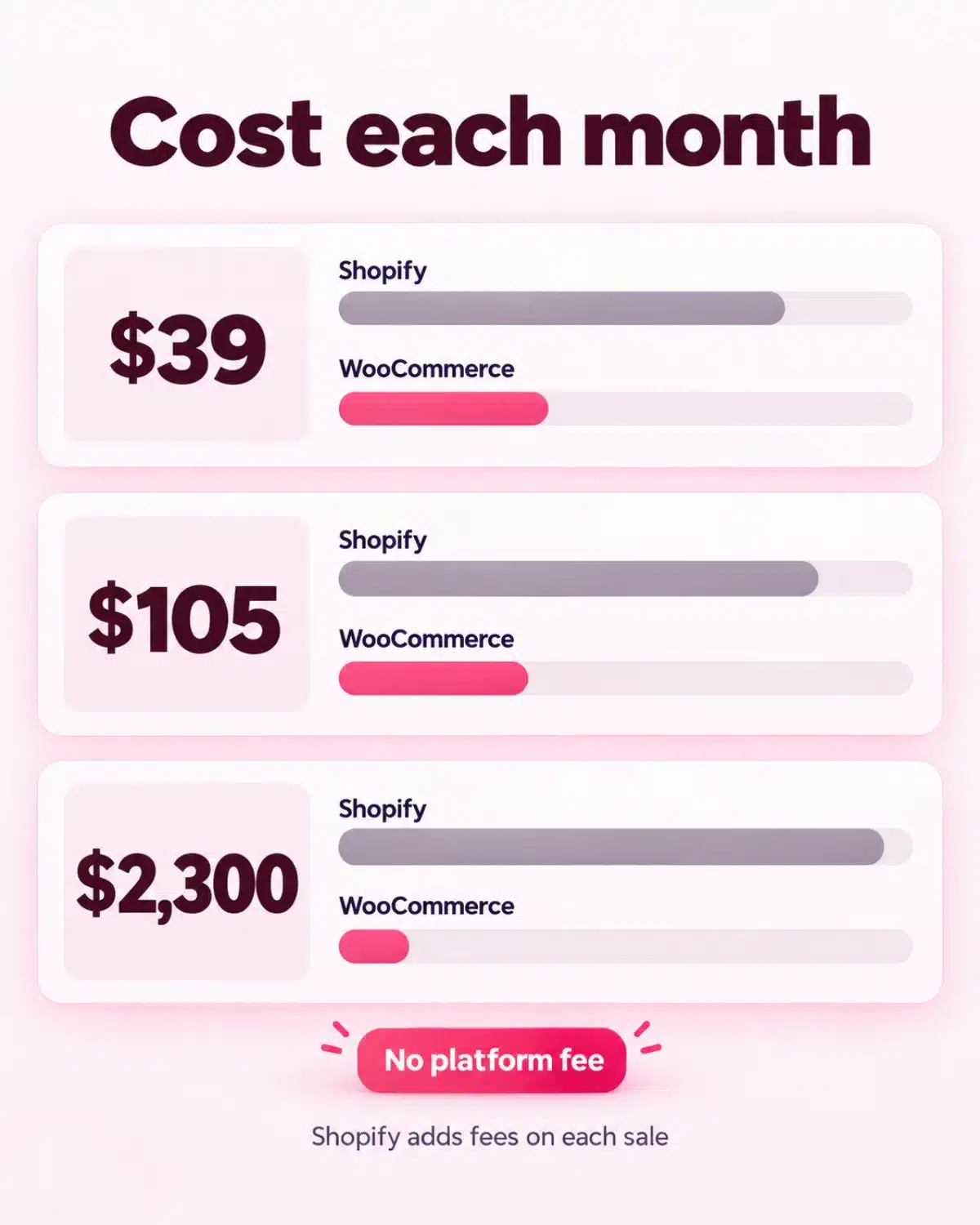
Shopify pricing starts around $39/month, plus transaction fees (unless you use Shopify Payments). Additional apps can also add to your monthly costs.
WordPress itself is free, but youβll need hosting, a domain, and perhaps some premium plugins or themes. Yet, in the long run, WordPress is usually more cost-effective, especially for growing businesses that want to avoid recurring app fees.
β Verdict: WordPress (WooCommerce) is more affordable in the long run.
Related Inspiration: WP Beginner Pricing Comparison.
π Features and Functionality
Shopify is loaded with built-in eCommerce features β abandoned cart recovery, multichannel selling, and payment gateways. However, advanced customization often depends on paid apps.
With WordPress + WooCommerce, the possibilities are limitless. You can integrate inventory management, memberships, subscriptions, and custom checkout flows. Thereβs a plugin for everything imaginable β from SEO tools to AI-driven product recommendations.
β Verdict: WordPress (WooCommerce) wins for flexibility and extendibility.
Inspirational Source: WooCommerce Extensions.
π Security and Maintenance
Shopify takes care of security automatically β SSL certificates, backups, and PCI compliance are included.
WordPress requires you to manage your own security β but with the right setup, it can be equally secure. Plugins like Wordfence or Sucuri, plus WP BigBangβs Security Optimization and Daily Backup services, keep your site safe 24/7.
β Verdict: Shopify wins for convenience, but WordPress offers stronger, customizable security options.
Inspirational Source: Sucuri Security Blog.
π SEO and Content Marketing Power
This is where WordPress absolutely dominates. With tools like Yoast SEO or Rank Math, you can optimize every post, product, and page easily. WordPress is built for content marketing β from blogs to landing pages.
Shopify also supports SEO, but itβs less flexible in terms of technical customization and structured data.
At WP BigBang, our WordPress SEO Services help clients increase organic traffic, outrank competitors, and boost conversions β turning their sites into lead-generating machines π
β Verdict: WordPress is the clear SEO champion.
Inspirational Source: Yoast SEO Blog.
π§ Scalability and Growth Potential
Shopifyβs scalability is impressive β itβs a solid choice for high-volume stores that donβt want to worry about performance or server management.
However, WordPressβs scalability is limitless when paired with quality hosting and optimization. With WP BigBangβs Hosting
and CDN services you can handle heavy traffic while keeping load times lightning-fast.
β Verdict: Both scale well β Shopify for simplicity, WordPress for full control.
Inspirational Source: Kinsta Blog .
π οΈ Support and Community
Shopify offers 24/7 customer support via chat and email.
WordPress, being open-source, relies on a global community of developers, forums, and agencies like WP BigBang. This means you can always find a plugin, tutorial, or professional help when you need it.
If youβd rather have experts handle everything, WP BigBangβs Website Maintenance Packages keep your site running flawlessly while you focus on your business.
β Verdict: Shopify has direct support, but WordPress has a stronger, global ecosystem.
Inspirational Source: WordPress Support Forums.
π Final Verdict: The True Winner?
Both WordPress and Shopify are powerful contenders β each dominating in its own domain. The real question isnβt which platform is better overall, but which one fits your business goals, technical comfort, and long-term vision.
If youβre a beginner, small business owner, or solopreneur who wants to launch quickly without dealing with technical tasks like hosting or maintenance, Shopify offers an all-in-one ecosystem. Itβs great for fast store deployment, simple product management, and secure transactions. However, this convenience comes at a price β limited design flexibility, recurring costs for third-party apps, and less control over your SEO and site architecture.
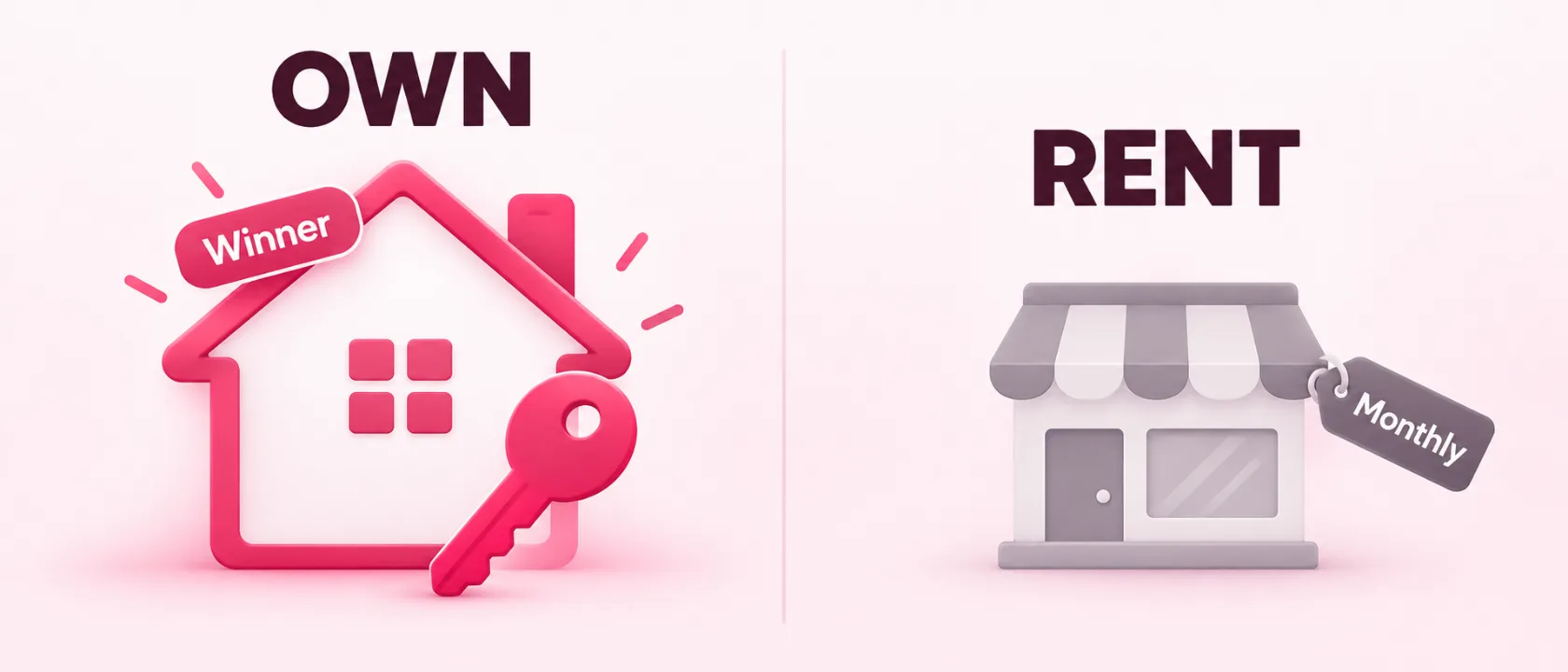
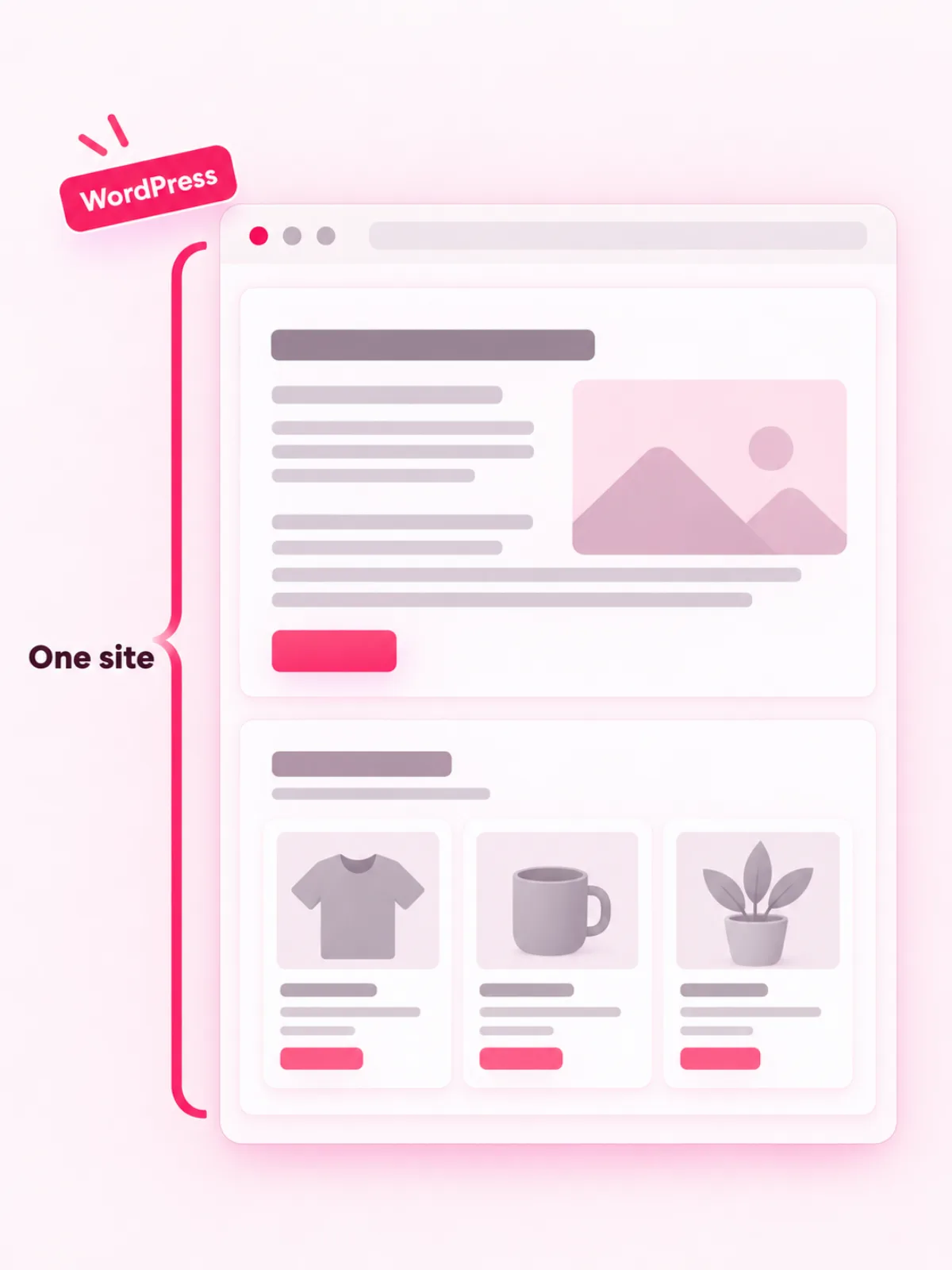
On the other hand, WordPress with WooCommerce is the undisputed choice for scalability, ownership, and flexibility. You get full control over design, SEO, performance, and features. Want to add a blog, membership area, or custom booking system? WordPress makes it possible β often at a fraction of Shopifyβs ongoing costs.
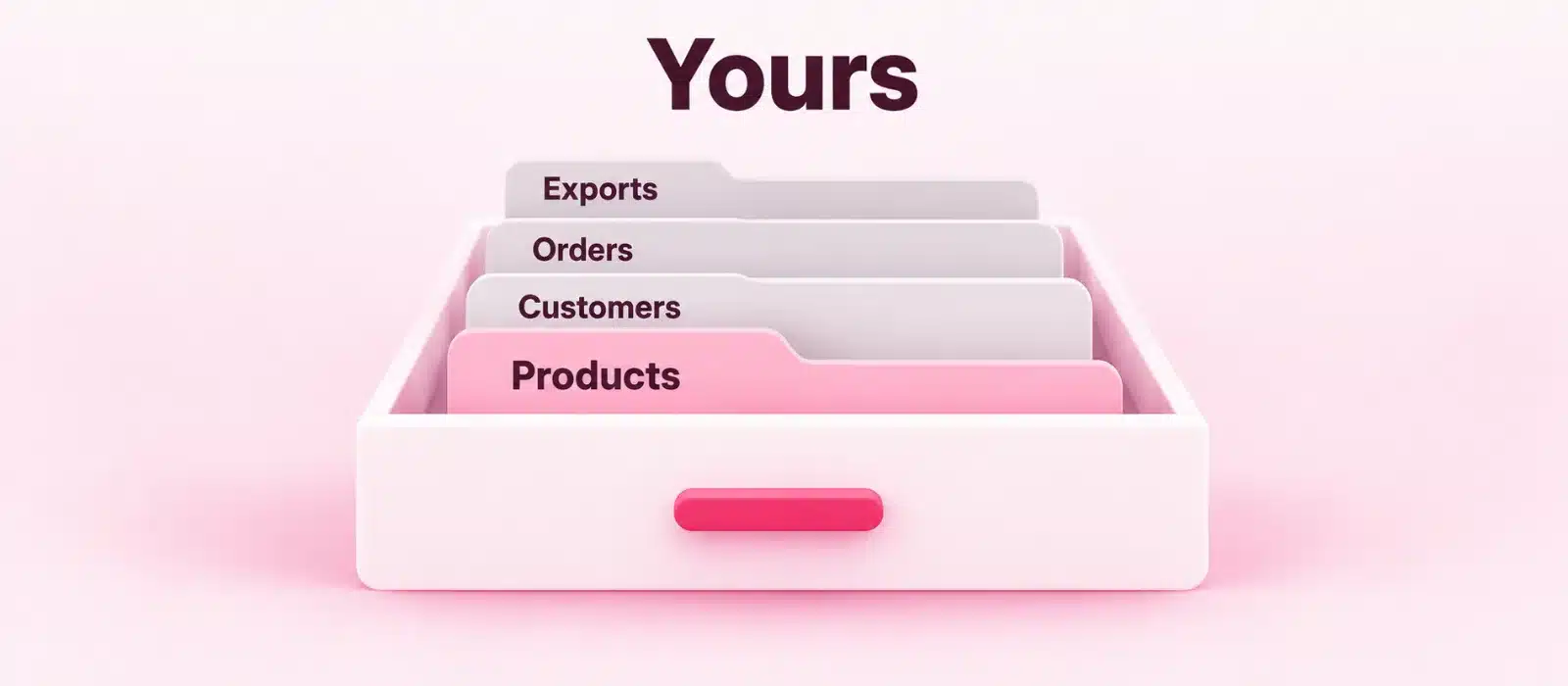
For brands aiming to grow, evolve, and customize, WordPress provides a foundation you can truly own and expand β especially when built and maintained by experts.
β Bottom Line:
- Shopify = best for simplicity, quick setup, and minimal management.
- WordPress (WooCommerce) = best for flexibility, growth, SEO, and total control.
Β
In most long-term scenarios, WordPress emerges as the true winner β especially for entrepreneurs who want freedom, ownership, and unlimited potential. π
π¬ Final Thought
In todayβs competitive digital world, choosing the right eCommerce platform is more than a technical decision β itβs a strategic investment in your brandβs future. Both WordPress and Shopify can build successful online stores, but the difference lies in how much control, customization, and growth potential you want over time.
Shopify may get you online fast, but WordPress empowers you to build a digital ecosystem that grows with your business β from SEO optimization to marketing automation, performance tuning, and beyond.
If you want to:
- π Build a stunning, fast, and secure eCommerce store
- π Optimize for search engines and conversions
- π‘ Expand with custom features, apps, and integrations
- βοΈ Get reliable maintenance and technical support
Β
π In short: Shopify gives you convenience, but WordPress gives you control. And when powered by WP BigBang, WordPress becomes an unstoppable engine for your digital success in 2025 and beyond.